Essential Guide to Prepper Pantry Organization: Streamline Your Emergency Supplies

Ever thought about what it would be like to have all your emergency supplies neatly organized and ready to go at a moment’s notice? Well, setting up a prepper pantry might seem like a daunting task at first, but it’s crucial for quick access and longevity of your supplies.
In this post, we’re going to cut through all the clutter and give you some straight-to-the-point advice on prepper pantry organization — a how to sort, store, and manage your emergency stockpile. We’re going to help you transform your space with practical insights that are easy to implement and tailored to ensure your pantry meets the needs of any emergency scenario.
Are you ready? Let’s dive in!
Key Takeaways
A well-organized prepper pantry requires a strategic layout for maximizing space and ease of access, proper location selection to ensure the longevity of supplies, and an organized system for everyday items to be within reach.
Effective prepper pantries combine food preservation techniques, classification of food items for efficient use and storage, and innovative solutions to maximize space and maintain essential non-food items like medical supplies and tools.
Maintaining a prepper pantry involves regular checks, inventory management, the FIFO method for stock rotation, and customizing the inventory to meet the unique dietary and changing needs of the family.
Designing Your Prepper Pantry Layout
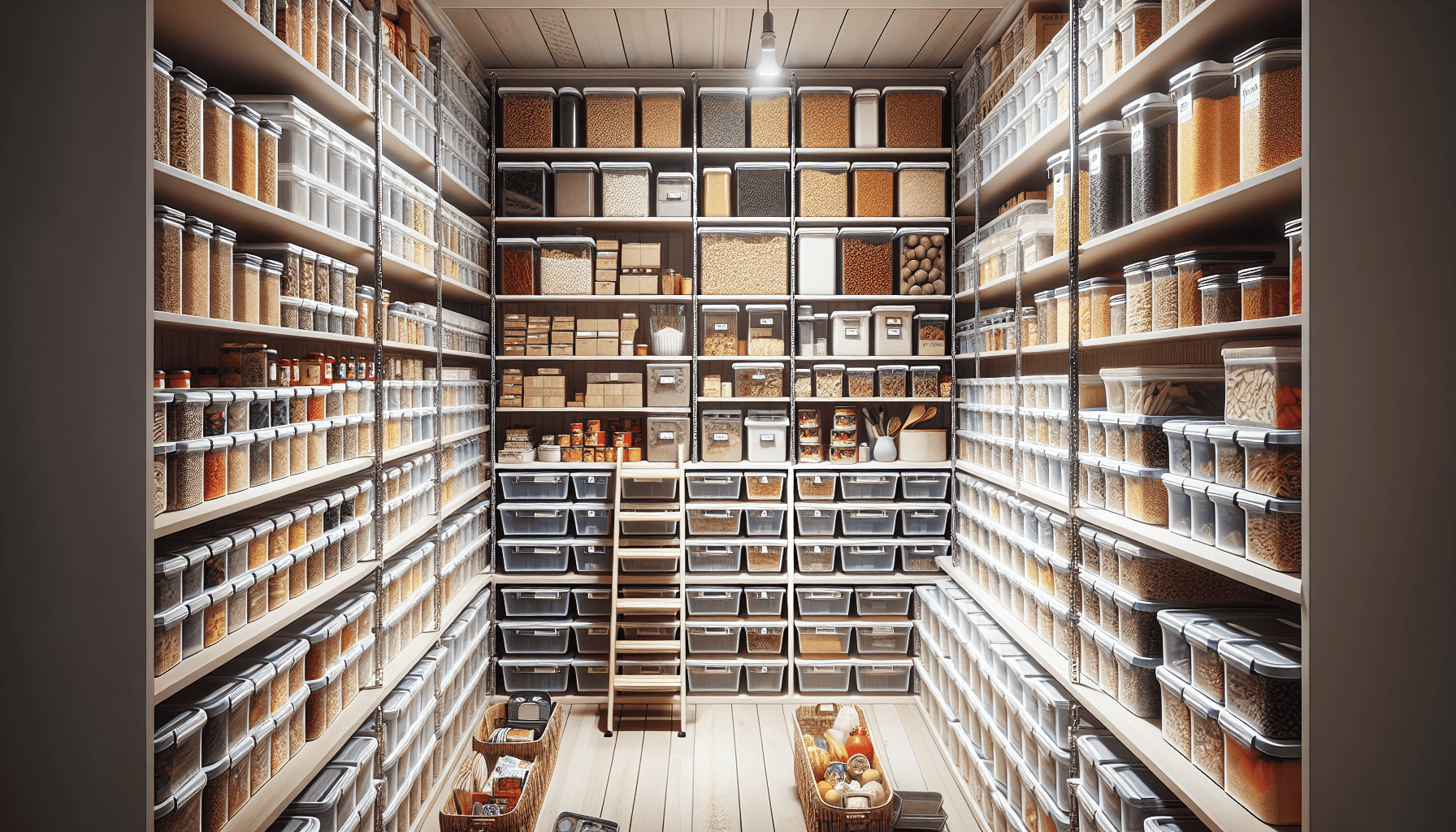
A well-planned prepper pantry adheres to a layout that maximizes space, ensures easy access to items, and maintains a high level of organization. Let’s be real, the way you set up your pantry is super important when it comes to being ready for emergencies.
So, how do you go about designing a layout that checks all these boxes? The answer lies in a combination of strategic selection of location, efficient utilization of space, and easy accessibility of everyday items.
We will soon examine the specifics of these aspects in detail. We will explore:
How to pick the right location for your pantry that ensures the longevity of your supplies
How to make the most of the vertical space in your pantry for efficient storage
How to ensure that everyday items are within easy reach without compromising the order of your pantry.
If you’re prepared to start designing your prepper pantry layout, we shall begin now.
Choosing the Right Location
Location is crucial when it comes to setting up your prepper pantry. Your chosen spot should be cool, dry, and away from direct sunlight or any temperature fluctuations. Why is this important? Well, fluctuations in temperature can cause significant damage to stored foods and other supplies, similar to direct heat and light exposure.
Photodegradation, a chemical reaction that leads to the degradation of pigments, vitamins, and nutrients in food and their packaging, can be prevented by storing food in areas away from direct sunlight.
Also, elevated levels of humidity can hasten food spoilage and facilitate mold growth as a result of moist air. Hence, to prolong their shelf life, freeze-dried food and other items must be kept in a dry setting.
The optimal storage conditions for dried food, including freeze-dried meals and non-perishable food items, involve keeping them in a cool environment, away from light, and stored in airtight, moisture-proof containers to maximize shelf life and preserve food quality.
Utilizing Vertical Space
Having selected the perfect location for your pantry, thinking about how to maximize this space is the next step. One effective way to maximize your storage capacity is by utilizing vertical space. Shelves, racks, and stackable containers can help you store more items in a given area.
For example, installing wire racks and pull-out shelves in your pantry can enhance storage efficiency. A can dispenser, a device designed to facilitate the orderly movement of cans, can ensure the first-in-first-out (FIFO) method and maximize storage efficiency. Using sturdy but removable labels on cans can further enhance organization and make it easier to identify items.
Some of the most space-efficient stackable containers for keeping your pantry organized include Amazing Containers Collapsible Round Food Storage, the best plastic storage containers, and Rubbermaid Brilliance Pantry Food Storage Container Set.
Accessibility for Everyday Items
It’s not just about having a well-organized pantry, but also ensuring that frequently used items are easily within reach.
Efficient organization methods such as categorization, alphabetical sorting, and color coding can go a long way in making sure you don’t have to rummage through your pantry to find what you need. Clear labeling, maximizing vertical wall space, and utilizing adjustable wall organizers can further enhance organization.
The most effective way to label items in a prepper pantry is by using sticker paper or masking tape with a marker. To enhance organization, it’s advisable to categorize supplies and use square labels for easier identification.
Bear in mind that an organized prepper pantry is vital for efficient access to supplies during emergencies, which could potentially reduce stress and save time.
Storing Food with Efficiency in Mind
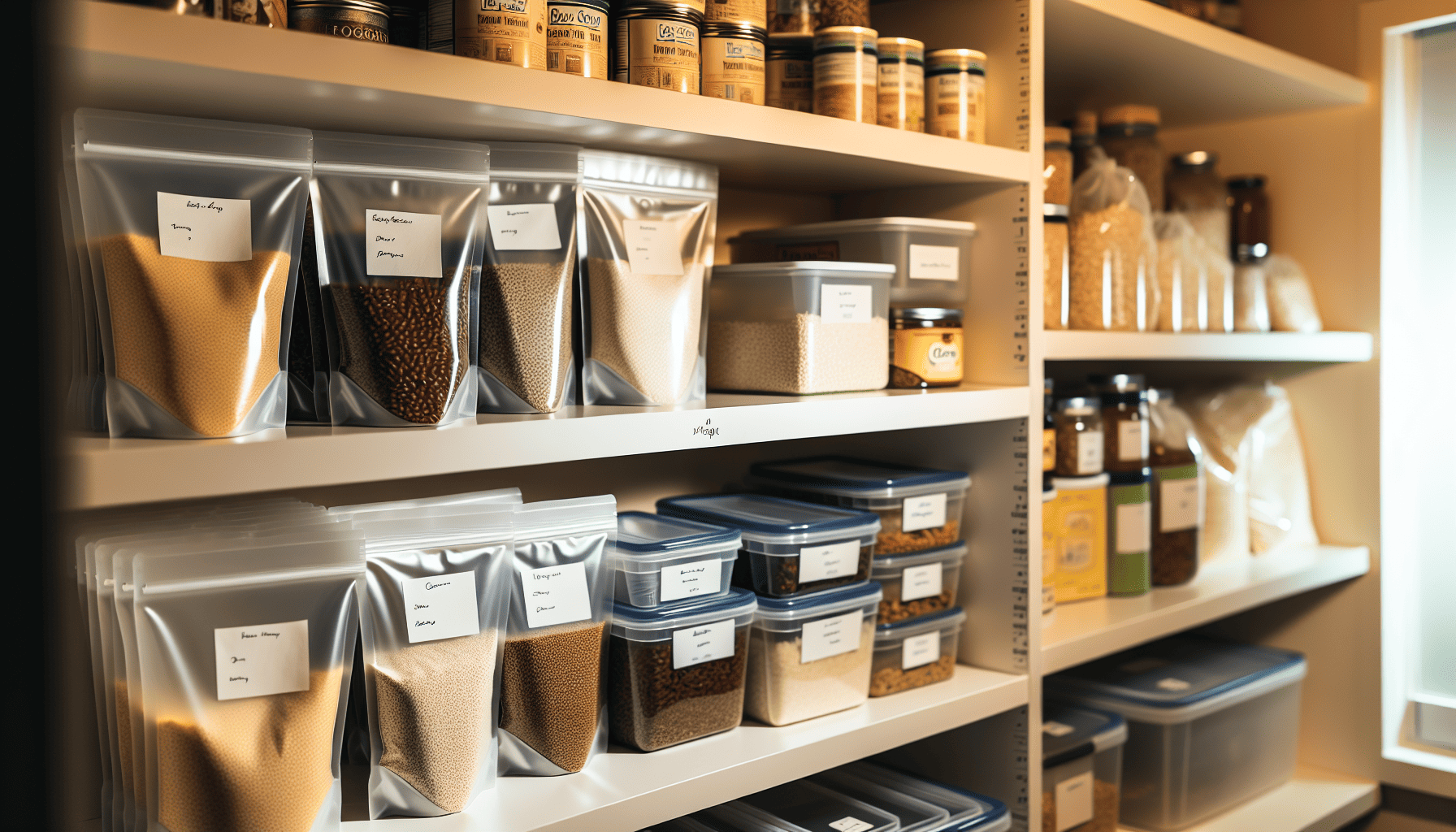
Having discussed designing an efficient pantry layout, our focus now turns to another vital aspect – food storage. The way you store food in your prepper pantry can significantly affect its shelf life and nutritional value.
Foods need to be preserved properly, categorized effectively, and stored in an innovative way to ensure they remain safe and nutritious until they’re needed.
In the following subsections, we shall delve into:
The proper techniques for preserving food
The best practices for categorizing food items
Some innovative storage solutions that can help maximize space in your pantry
If you’re ready to learn how to store foods efficiently, we shall begin now.
Proper Food Preservation Techniques
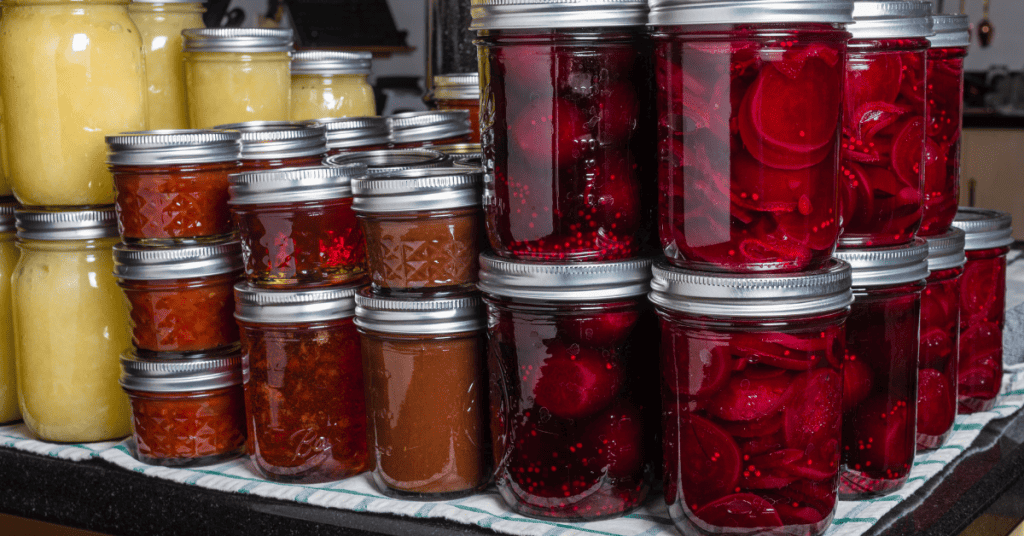
Extending the shelf life of food items and maintaining their nutritional value is greatly aided by food preservation. This can be achieved through various methods such as canning, dehydrating, and vacuum sealing, with canned food being a popular option.
Understanding the varying shelf life of different food products and the optimal storage methods for each is crucial.
Dehydration, for instance, eliminates moisture from food, thereby prolonging its shelf life from a few days to several months. Similarly, utilizing mylar bags and vacuum sealing for food storage offers the significant advantage of extending the shelf life of food items by creating an airtight environment that prevents spoilage and preserves nutritional value.
Categorization of Food Items
Another step towards efficient food storage is to categorize the food items in your prepper pantry. It enables:
Efficient bulk purchasing
Time and space savings
Guarantees a comprehensive selection of essential items such as grains, non-perishable goods, and nutrient-dense options.
Classifying food items based on their frequency of use provides several benefits:
It allows for a precise evaluation of dietary requirements
It facilitates comprehension of the diet’s health effects
It supports the development of nutrition policies crucial for emergency readiness.
Moreover, categorizing food by expiration date is an effective strategy to minimize spoilage and waste by prioritizing the consumption of items that are nearing their expiration date. This practice contributes to improved stock rotation and ensures that the pantry maintains a supply of fresh items.
Innovative Storage Solutions
Alongside proper food preservation and categorization, using innovative food storage solutions can greatly enhance space utilization in your pantry. For instance, dispensers, under-bed storage, and pull-out shelves are considered to be innovative storage solutions that can effectively maximize space.
Some recommended can dispensers for a prepper pantry include the SimpleHouseware Stackable Can Rack Organizer, DecoBros Supreme Stackable Can Rack Organizer, and Utopia Kitchen Storage Can Rack Organizer.
To optimize the use of under-bed storage for food items, it is recommended to utilize storage containers, food buckets, and vacuum-sealed bags to ensure proper containment and organization of each item.
The installation of pull-out shelves in a prepper pantry offers advantages such as increased storage space and enhanced organization, leading to improved management and accessibility of emergency supplies.
Prepper Pantry Must-Haves: Non-Food Items
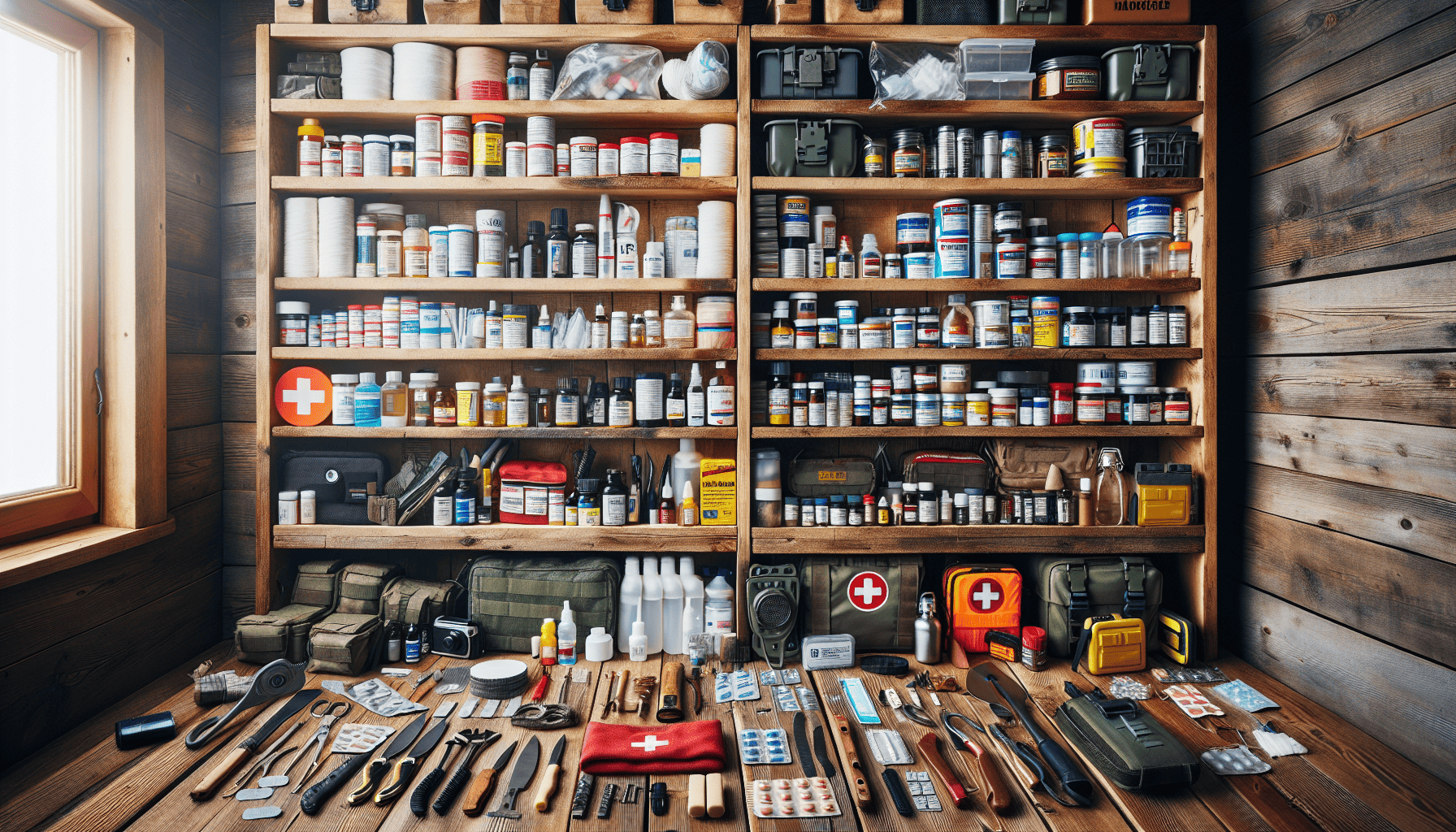
Although food is an undeniable component of a prepper pantry, remember that emergencies may demand more than mere sustenance. This is where non-food items come into play.
A well-rounded prepper pantry should also encompass vital non-food items, including medical supplies, various tools, and emergency gear. These items play a crucial role in ensuring survival during emergencies, especially when access to certain services or stores may not be available.
In the following sections, we will delve deeper into the types of essential medical supplies, tools, and emergency gear that should be included in your prepper pantry, and how to organize them for quick and easy access during emergencies. If you’re ready to discover the must-have non-food items in your pantry, we shall proceed now.
Essential Medical Supplies
During emergencies, medical supplies can be just as vital as food and water. A comprehensive prepper pantry should encompass vital medical supplies like first aid kits, essential prescriptions, and over-the-counter medications.
The fundamental elements of a comprehensive first aid kit comprise absorbent compress dressings, adhesive bandages, adhesive tape, elastic wrap bandages, bandage strips, butterfly bandages, super glue, and a rubber tourniquet.
The essential over-the-counter medications to include in a prepper pantry are:
Aspirin
Acetaminophen
Ibuprofen
Antacids
Antihistamines
Prescription medications should be stored in a cool, dry place, such as an airtight container or Ziploc bag, away from heat and moisture. It is advisable to keep them in their original unopened packaging.
Necessary Tools and Emergency Gear
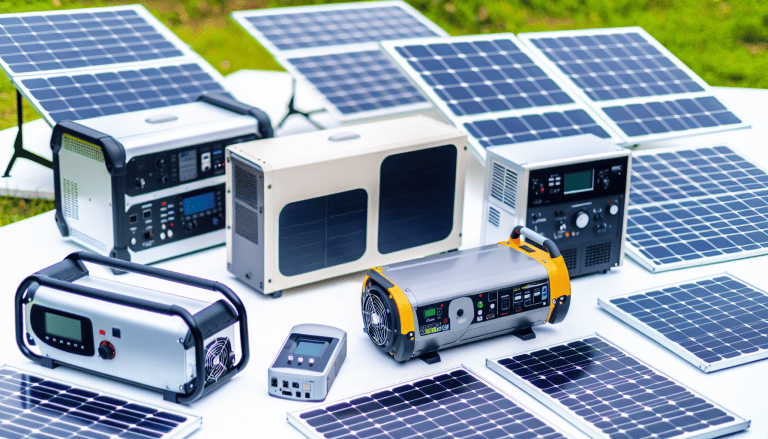
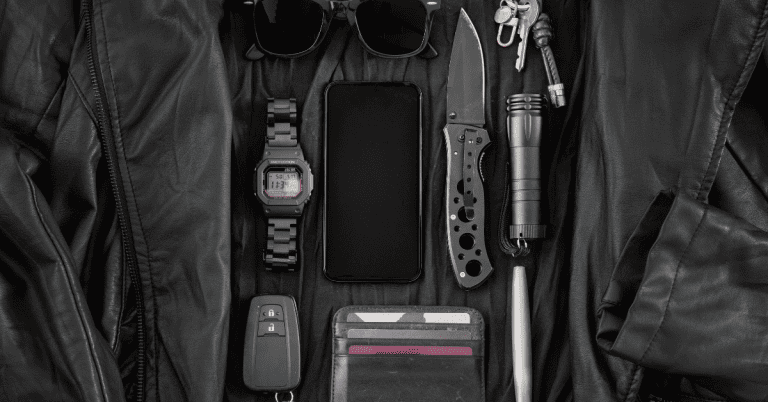
Beyond medical supplies, your prepper pantry should include several other essential non-food items. Fundamental emergency gear items to include in a prepper pantry are flashlights, batteries, and portable chargers.
The Belkin Boost Charge Plus 10K and the Anker 737 are highly regarded as top-rated portable chargers that are suitable for a prepper pantry. Lithium batteries are highly recommended for extended storage in emergency supplies due to their long-lasting nature.
Apart from the essential emergency gear, a prepper pantry list should encompass tools such as axes, shovels, hand tools, ropes, and items for water and sanitation needs in a prepper pantry.
Prepper Pantry Organization for Quick Access
While it’s beneficial to have all these essential non-food items, they’re of little use if you can’t locate them when needed. That’s where organization comes into play. Suggested storage systems for efficient access in a prepper pantry comprise movable shelving units and long-term food storage containers.
To optimize space while ensuring convenient access to emergency items in your prepper pantry, several strategies can be employed:
Maximize vertical wall space to keep items off the floor
Invest in stackable items for easy storage
Utilize square plastic totes or cardboard boxes to minimize clutter on shelves
These strategies will help you make the most of your everyday pantry space and keep your emergency supplies organized, while also providing prepper pantry ideas.
Maintaining Your Prepper Pantry
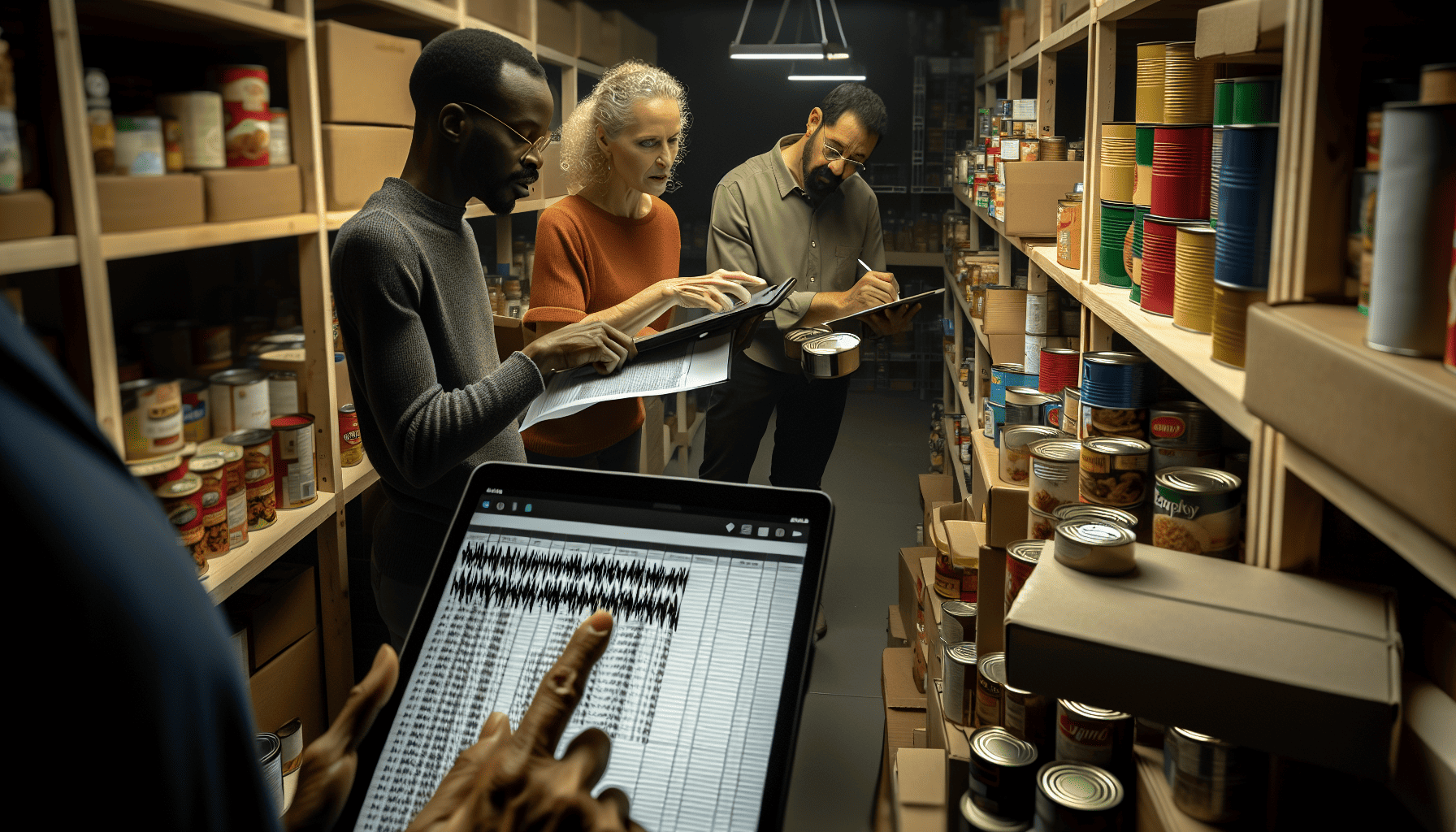
The initial setup of your prepper pantry is merely the beginning. The real challenge is in its maintenance. An efficient pantry is not just about having all the necessary items, but also about ensuring that those items are used efficiently, replaced promptly, and kept in an organized and accessible manner.
Essentially, maintaining an organized prepper pantry involves inventory management, stock rotation, and regular checks and balances.
We will further delve into these aspects in the following subsections. We will discuss the importance of inventory management, how to rotate stock using the FIFO method, and the necessity of regular checks and balances in a prepper pantry.
Inventory Management
Inventory management is vital to ensure your pantry remains well-stocked and organized. Here are some tips to help you keep track of your pantry inventory:
Use spreadsheets or apps to monitor expiration dates, consumption, and future needs.
Regularly check your inventory to prevent overcrowding with unnecessary items.
Maximize the use of all items before they expire.
By following these tips, you can maintain a well-organized pantry and minimize food waste.
An effective approach to expiration management entails the organization and labeling of food items based on their expiration date, and the use of a permanent marker to clearly indicate these dates, ensuring timely consumption of items. A spreadsheet can be effectively utilized for pantry inventory management by utilizing templates such as those from Pulling Curls or Smartsheet.
Some of the most effective applications for assisting with pantry inventory management are:
Pantry Check
USDA FoodKeeper
My Pantry Tracker
Epicurious
Out Of Milk
Listick
Paprika
NoWaste
MealBoard
Rotating Stock with the FIFO Method
Maintaining your prepper pantry necessitates stock rotation. The FIFO (First In, First Out) method is a stock rotation practice designed to prioritize the consumption of older items.
Implementing this method is crucial in minimizing food waste and maintaining the freshness of your supplies. The FIFO method can be implemented by placing newer items at the back of the shelves and ensuring that older items are used before the more recently purchased ones.
The utilization of the FIFO method in food rotation offers several benefits, including:
Maintaining product freshness
Enhancing inventory valuation
Minimizing wastage
Fostering safer food storage practices
Regular Checks and Balances
To maintain your prepper pantry in optimal condition, regular checks and balances are essential. These checks should cover stock levels, expiry dates, and overall organization.
Regular checks and balances in a prepper pantry are crucial for upholding a well-stocked pantry, providing reassurance during emergencies, monitoring inventory, and guaranteeing diversity and nutritional balance in food selection.
It is advisable to conduct these checks at intervals of every two to four years. That said, more frequent checks may prove advantageous for a meticulously managed inventory system.
A comprehensive expiration management strategy involves the organization and labeling of food items based on their expiration dates, which aids in monitoring shelf life and mitigating the risk of spoilage.
Customizing Your Prepper Pantry for Family Needs
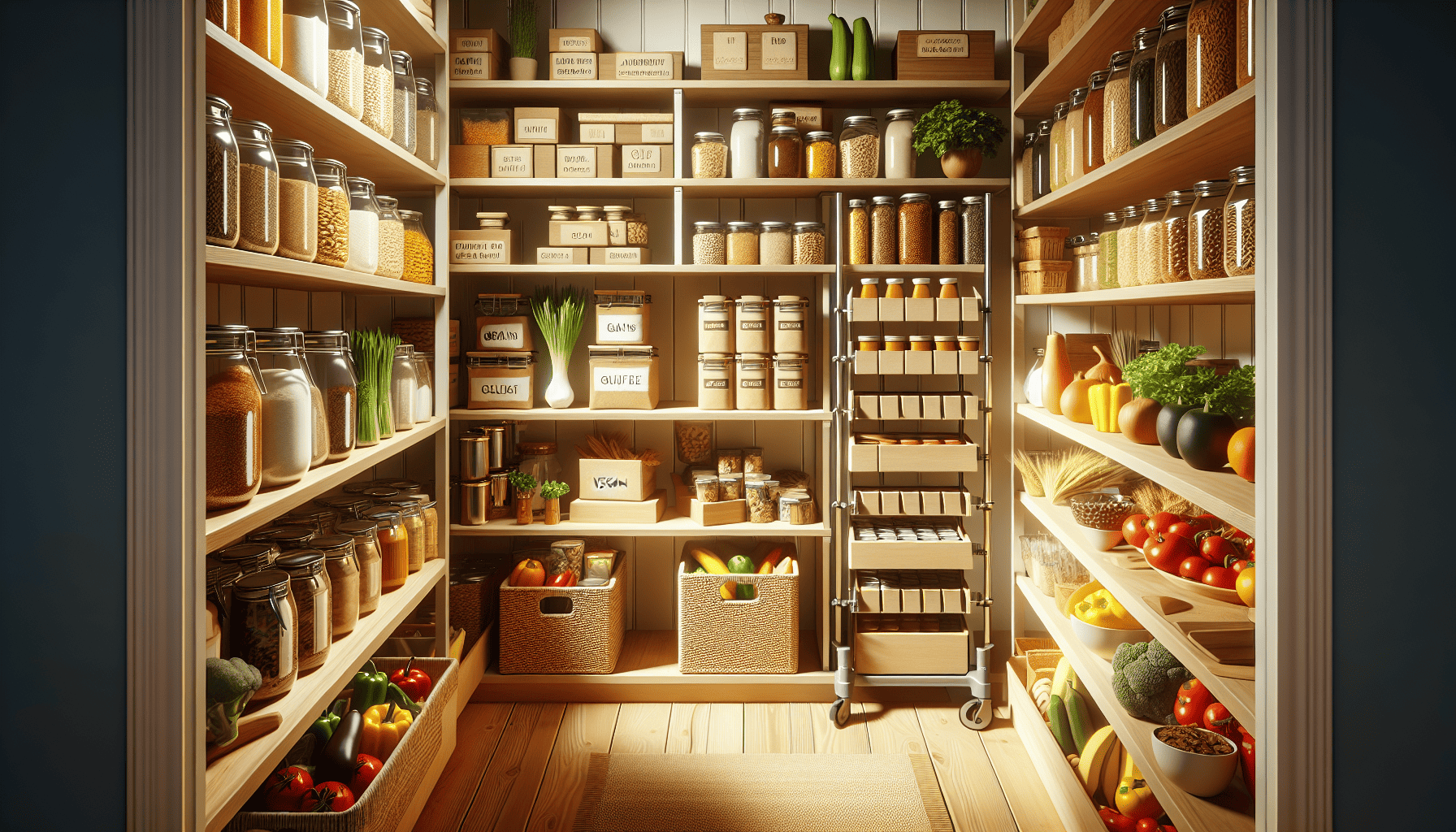
When it comes to a prepper pantry, a one-size-fits-all approach falls short. Every family has unique needs, preferences, and constraints, and your pantry should reflect that. Whether it’s accommodating dietary restrictions, ensuring kid-friendly options, or adapting to changing circumstances, a well-rounded prepper pantry takes into account all these factors.
The following subsections will discuss how to tailor your prepper pantry to your family’s distinctive needs. We will delve into considerations for dietary restrictions, the importance of kid-friendly and comfort foods, and how to continuously adapt your prepper pantry to changing needs. If you’re ready to tailor your prepper pantry to meet your family’s needs, we shall proceed now.
Considering Dietary Restrictions
When stocking your prepper pantry, dietary restrictions are a significant factor to consider. Whether it’s lactose intolerance, gluten sensitivity, vegetarianism, or veganism, your pantry should cater to the unique dietary requirements of your family members. Prioritize the consideration of dietary restrictions and food sensitivities when selecting items for your prepper pantry.
Seeking out specialized ‘survival food’ designed for specific dietary needs can be beneficial. Customize the contents of the survival pantry to align with any dietary requirements or restrictions within the household, such as:
vegetarian
vegan
gluten-free
kosher
and others.
Kid-Friendly and Comfort Foods
Even under normal circumstances, children can be picky eaters, not to mention during a stressful emergency situation. Including kid-friendly and comfort foods in your prepper pantry can make a big difference in such scenarios. Familiar and comforting foods can provide a sense of normalcy and reduce stress for children during emergencies. A prepper pantry should include kid-friendly non-perishable foods such as:
Applesauce
Beans (dried or canned)
Canned fruit
Crackers
Granola bars
Cheese sticks
Peanut butter crackers
Squeezable yogurt
Examples of durable comfort foods suitable for stocking in a prepper pantry include:
Macaroni and cheese
Beans
Rice
A variety of canned goods
Freeze-dried or dehydrated foods that can be easily prepared and are familiar to the family.
Adapting to Changing Needs
Your prepper pantry should evolve as your family’s needs and preferences change over time. Whether it’s changes in dietary requirements, family size, or potential emergency scenarios, your pantry should be flexible enough to adapt. It’s recommended to reevaluate and adjust the inventory and organization of a prepper pantry every year or every few years.
Prioritize the consideration of dietary restrictions and food sensitivities when selecting items for your prepper pantry. For changing family sizes, ensure to stock up on essentials such as diapers and wipes for newborns, and adjust the pantry space and supply volume as children move out.
Recommended versatile food items for a prepper pantry include:
Rice
Pasta
Applesauce
Dried and canned beans and legumes
Dry whole grains
Unsalted nuts and seeds
Protein sources such as peanut butter.
Summary
In conclusion, a well-organized and well-stocked prepper pantry is an essential component of emergency preparedness. The key to a successful prepper pantry lies in careful planning, efficient layout design, effective food storage techniques, inclusion of non-food essentials, and regular maintenance.
Your pantry should be flexible enough to adapt to your family’s unique needs and preferences.
Whether it’s an unexpected natural disaster, a sudden financial hardship, or simply an unplanned interruption in your regular grocery shopping schedule, a well-prepared prepper pantry can be a lifeline. So, are you ready to start building your own prepper pantry?
Remember, preparedness is not about expecting the worst, but about being ready for anything.
Frequently Asked Questions
What is a prepper pantry and why is it important?
A prepper pantry is a carefully planned reserve of food and essential supplies, crucial for sustaining a family during emergencies or disasters. It offers peace of mind, ensuring preparedness for unforeseen circumstances.
How can I maximize space in my prepper pantry?
Maximize space in your prepper pantry by utilizing vertical shelving, racks, and stackable containers, and ensuring it’s located in a cool, dry area away from direct sunlight or temperature fluctuations.
What are some food preservation methods to extend shelf life and maintain nutritional value?
To extend shelf life and maintain the nutritional value of food, consider using canning, dehydrating, and vacuum sealing methods. These techniques help create an airtight environment, preventing spoilage and preserving nutritional content without the artifact. Using mylar bags and vacuum sealing for food storage can further prolong shelf life by creating an airtight environment that prevents spoilage and preserves nutritional value.
What non-food items should I include in my prepper pantry?
In addition to food, it’s important to include first aid kits, medications, and emergency gear such as flashlights and portable chargers in your prepper pantry. These items will be crucial in case of an emergency.
How often should I check my prepper pantry?
You should conduct checks and balances on your prepper pantry every two to four years, although more frequent checks may be beneficial for a well-managed inventory system.
Disclaimer: The views and opinions expressed in this post are my own and do not reflect the official policy or position of the US Marine Corps, the Department of Defense, the U.S. Government, or any associated corporate entity.