5 Best Emergency Food Supply Companies in 2024

Get ready for a journey into the world of emergency preparedness! Ever wondered if your family is fully equipped to handle the unexpected? Whether it’s a natural disaster or a sudden grid failure (or the next pandemic?), being ready is key. Say goodbye to worries about empty store shelves during a crisis.
In this post, we’re diving into the delicious and nutritious offerings from our selections of the best emergency food supply companies for 2024, ensuring you’re well-prepared for whatever comes your way. Join us as we explore the best survival food options, perfect for both disasters and outdoor adventures. Let’s build that household stockpile together and face tomorrow with calm confidence!
Background on Emergency Food Supply Preparation
Before diving into the rankings, it’s important to level-set on fundamentals around emergency food supply and key questions like – why is it so vital to have reserves even with normally well-stocked supermarkets nearby? What specific benefits do survival meal kits provide? And how do you calculate the right quantity needed for your household?
This background context spotlights the rising disaster risks that threaten Just-In-Time food logistics and emphasizes unique nutritional, convenience, and affordability benefits that quality emergency food supply companies offer to ensure families remain fed and healthy for months or years if a long-lasting crisis unfolds.
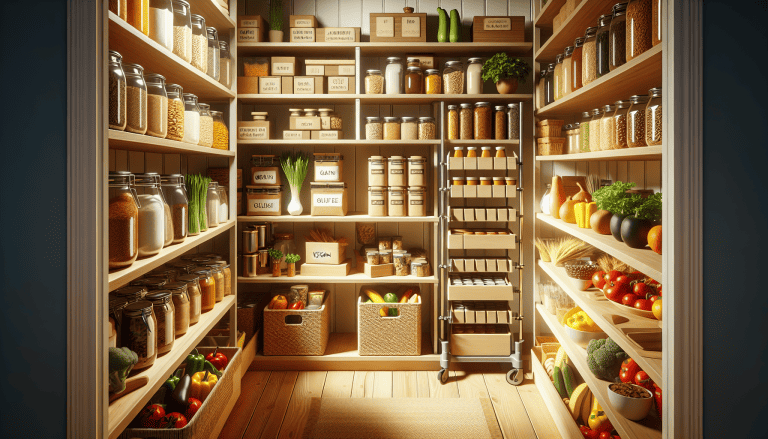
We’ll cover simple formulas to tally the ideal emergency food stockpile volume tailored to your household’s size and demographics. First up, let’s examine why experts strongly push all families to establish working “deep pantry” reserves beyond typical grocery runs.
Assessing Your Emergency Food Needs
Before selecting emergency food suppliers, each household must gauge product specifics that align with your situation. Crunching numbers around ideal calorie counts, shelf lives, and diet restrictions prevent costly mismatches between rations versus actual requirements if facing prolonged isolation.
Compare across potential providers using key decision factors we’ll cover—shelf-life, nutrition, costs, and customizability. Analyze your vulnerable demographics like children, the elderly or those with medical conditions needing specially tailored provisions.

Calculate the bare minimum duration you’d need rations to safely stretch in various crisis scenarios based on geographic risks and response projections. In general, the average adult needs around 2,000 calories a day for optimal nutrition and energy.
However, individual needs vary based on factors such as age, gender, activity level, and health conditions. It’s essential to consider these factors when planning a survival food supply to ensure it meets the specific caloric requirements of those who may rely on it during emergencies.
Freeze-dried vs. Dehydrated Food
Freeze-dried and dehydrated emergency foods are both popular choices for long-term food storage now, but they differ in their preparation methods and some characteristics:
Preparation Method:
- Freeze-Dried: Involves freezing the food and then removing the water content through a vacuum process. This method retains most of the food’s original texture, taste, color, and nutritional value.
- Dehydrated: Uses low heat to remove moisture from the food. It typically involves air-drying or using a low-temperature oven. Dehydration may alter the texture and color of the food, and it may require rehydration before consumption.
Nutritional Value:
- Freeze-Dried: Retains more of the original nutritional content, including vitamins and minerals, due to the rapid removal of water.
- Dehydrated: Some loss of nutritional value occurs during the dehydration process, but it still retains a good portion of the food’s original nutrients.
Texture and Taste:
- Freeze-Dried: Maintains a closer resemblance to the original texture and taste of the food.
- Dehydrated: The texture may be more altered, and the taste can be slightly different from the fresh version.
Rehydration:
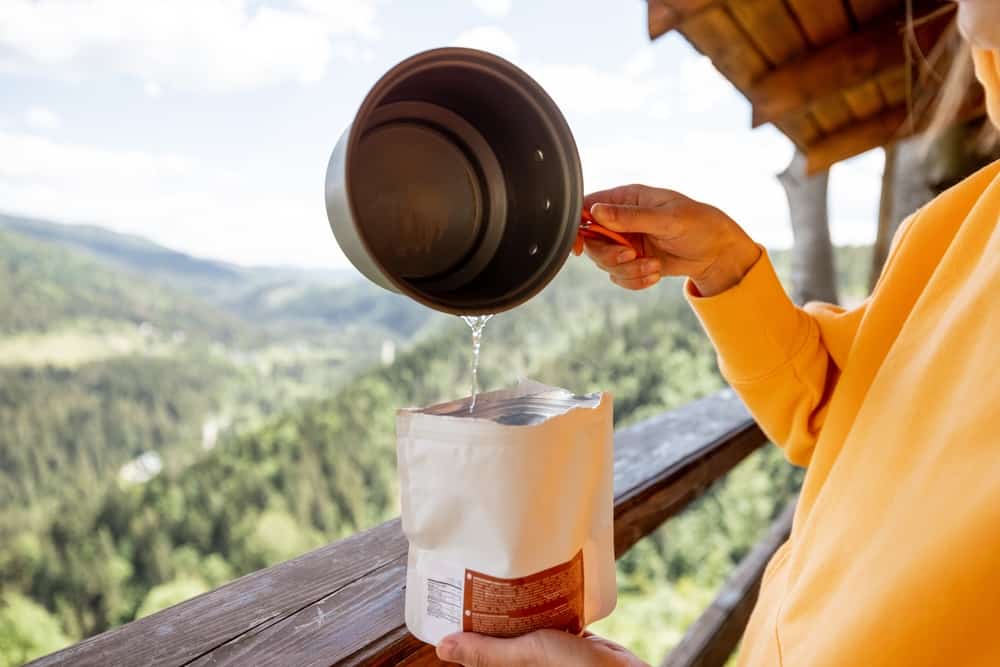
- Freeze-Dried: Rehydrates quickly, often regaining its original form after adding water.
- Dehydrated: Requires more time for rehydration, and the texture may not fully return to its original state.
Shelf Life:
- Freeze-Dried: Generally has a longer shelf life compared to dehydrated food, often ranging from 25 to 30 years.
- Dehydrated: Shelf life is still relatively long, typically ranging from 15 to 20 years.
Weight and Volume:
- Freeze-Dried: Generally lighter and can be more compact, making it suitable for backpacking or emergency kits.
- Dehydrated: Can be bulkier and heavier compared to freeze-dried options.
Cost:
- Freeze-Dried: Often more expensive due to the specialized equipment required for the freeze-drying process.
- Dehydrated: Generally more budget-friendly.
Ultimately, the choice between freeze-dried and dehydrated emergency food depends on personal preferences, dietary needs, and the intended use. Both options offer convenient and long-lasting solutions for emergency preparedness.
And with that, here’s the list:
The 5 Best Emergency Food Supply Companies in 2024
1. Mountain House
Based in Oregon, Mountain House has been around for quite some time. In 1996, Mountain House (then Oregon Freeze Dry) began supplying rations to the military during the Vietnam War. During that same time, they became a go-to for feeding astronauts and those in astronaut boot camp at NASA. The Mountain House brand was subsequently launched in 1969. They now offer options focused on camping/backpacking, survival, endurance training, and hunting/fishing in a variety of packaging types.
Highlights
- Supply Kits: 14 day – 1year, various #10 cans
- Shelf Life: 25+ years
- Nutrition: approx. 1700 calories per day
Pros and Cons
2. Nutrient Survival
Located in the foothills of the Sierra Nevada just off the banks of the Truckee River in Reno-Tahoe, Nutrient Survival boasts a 100,000 sq ft facility where all of its products are produced and shipped. The company brings a Special Ops mindset to the business of survival food. One particular aspect is mentioning that the food produced is “Special Ops grade nutrition”. In other words, their meals are good enough to power the folks who perform some of the most dangerous missions imaginable.
Highlights
- Supply Kits: 1 day – 90 days, #10 cans
- Shelf Life: 25+ years
- Nutrition: 2,000 calories per day
Pros and Cons

3. Valley Food Storage
Valley Food Storage is based in Akron, Ohio, and has been in business since 2015. They specialize in bulk orders of freeze-dried and dehydrated meals and ingredients. They also offer water storage supplies, power sources, and freeze-drying gear. Valley Food Storage caters to the “prepper” community and those individuals and families who are looking to have an emergency food supply beyond the customary 72 hours.
Highlights
- Supply Kits: 72 hours -1 year
- Shelf Life: 25+ years
- Nutrition: Up to 2,000 calories per day
Pros and Cons

4. My Patriot Supply
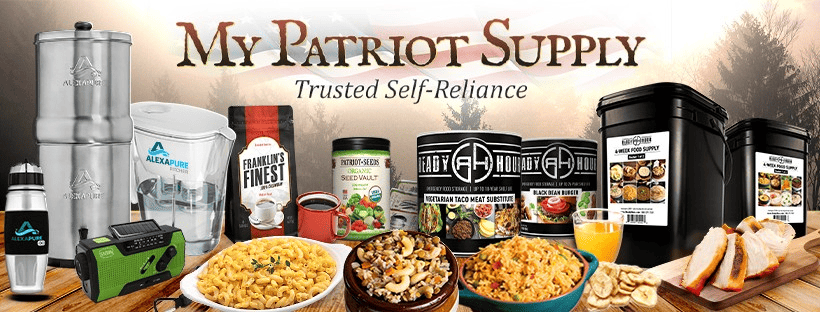
Based in Salt Lake City, Utah, My Patriot Supply has been around since 2008. They offer several different emergency food kits that all average 2,000 calories per day. My Patriot Supply also offers many other survival and safety supplies from survival gear and water filtration to power sources and heirloom seeds.
Highlights
- Supply Kits: 72 hours – 1 year
- Shelf Life: 25+ years
- Nutrition: Up to 2,200 calories per day
Pros and Cons
5. Emergency Essentials
Emergency Essentials (BePrepared.com) is based out of Salt Lake City, Utah, and has been around since 1987. They offer a diverse range of freeze-dried, dried, and dehydrated food products — from fruits, veggies, and legumes to grains, meats, and more. The packaging options include cans, buckets, meal pouches, and bulk pails. Emergency Essentials also offers emergency kits, bug-out bags, car emergency kits, and various outdoor gear—ideal for emergencies or other outdoor activities.
Highlights
- Supply Kits Offered: 72 hours – 1 year
- Shelf Life: 25+ years
- Nutrition: Approx. 1,800 calories per day
Pros and Cons
Honorable Mentions
6. Survival Cave Food
Based out of Texas, Survival Cave was founded back in 2010. I wanted to mention them as a viable alternative to some of the other survival food companies listed here because their main focus is on various meat protein sources: beef, chicken, turkey, and pork. They offer larger-sized cans–perfect for families and stockpiling a deep pantry–that can be bought either as a single can or in bulk, at a cheaper price as well.
Highlights
- Supply Kits: Single or bulk cans of freeze dried meat
- Shelf Life: 25+ years
Pros and Cons

7. Peak Refuel
Peak Refuel, located in American Fork, Utah, was founded in 2018 by a group of outdoor enthusiasts to create high-quality, premium meals. Peak Refuel’s meal packets weigh less and take less cooking time than other brands.
Highlights
- Supply Kits: Single meal/dessert/drink packets/bulk meal buckets
- Shelf Life: 5 years
- Nutrition: Approx. 800 – 1100 calories per meal
Pros and Cons

What About Taste?
After researching about a dozen review sites and message boards (not including Amazon), I concluded that how something tastes–especially survival food–is very subjective for each individual. For instance, while in the Marine Corps, I had several opportunities to eat MREs, or Meal, Ready to Eat.

So, what is an MRE? An MRE is a self-contained meal. One MRE = one meal. Inside each MRE bag is an entree, side dish and various other food and drink items:
- Entree: the main course, such as Spaghetti or Beef Stew
- Side dish: rice, corn, fruit, mashed potatoes, etc.
- Cracker or Bread
- Spread: peanut butter, jelly, or cheese spread
- Dessert: cookies or pound cakes
- Candy: M&Ms, Skittles, or Tootsie Rolls
- Beverages: fruit drink mixes, cocoa, shakes, coffee, tea
- Hot sauce or seasoning: Tabasco, salt, pepper
- Flameless Ration Heater: heats the entree
- Accessories: spoon, matches, creamer, sugar, chewing gum, toilet paper.
Each MRE provides a bit over 1200 calories — roughly, 45 g of protein, 170 g of carbs, and 50 g of fat. So, a typical day would consist of eating three MREs.
Here’s the point: I liked MREs (except for maybe the tuna ala king!) But, many of my buddies couldn’t stand them whether (for them) it was the sodium content, the general taste, or the number it did on their gut. The fact is, we all had our own opinions about MREs.
Bottom line: We have selected these survival food companies because they have been extensively reviewed and a majority of people say that the food has good flavor and taste. That said, my recommendation is this: taste test for yourself beforehand. Grab a couple of different meals or #10 cans and give it a shot. It’s a good way to check these survival food options out for yourself before investing a good amount of money in a long-term emergency food kit.
Plus, I bet you’ll find like many others that your bug out bag, emergency food supplies and deep pantry likely will be stocked using different companies on our list.

Final Thoughts
In conclusion, preparing for emergencies is not just a matter of storing food but ensuring that it meets the unique needs of your family. The reviewed emergency food supply companies offer a variety of options to cater to different preferences and situations. From the versatile Mountain House to the nutrient-dense Nutrient Survival and budget-friendly My Patriot Supply, you have choices based on your priorities.
Remember, emergency preparedness is not a one-size-fits-all scenario. It involves understanding your household’s requirements, calculating necessary supplies, and considering factors like taste, nutritional value, and ease of preparation. Whether you opt for freeze-dried or dehydrated food, both have their merits, and the choice depends on your preferences.
Investing in an emergency food supply is an investment in peace of mind. The unpredictable nature of crises emphasizes the need for comprehensive preparedness, and these companies provide viable solutions. Taste-testing different options before committing to a long-term kit is a sensible approach, ensuring that your emergency 72-hour kit and deep pantry is stocked with food your family can enjoy.
Be proactive, build your stockpile gradually, and face uncertainties with confidence, knowing you have a reliable emergency food supply in place.
Factors Used for Selection and Comparison
Any Google search for “emergency or survival food” will show just how confusing and frustrating it can be to try and figure out which is the best option for selecting an emergency or survival food kit and supply company for your short-term and long-term needs. Luckily, we have done that for you, and here are the factors we used to make our choices:
- Nutritional Content:
- Description: Evaluate the calorie count, macronutrient composition, and inclusion of essential vitamins and minerals. Optimal emergency food should provide a balanced and nutritionally dense profile to sustain health during crises.
- Shelf Life:
- Description: Assess the longevity of the emergency food. A longer shelf life ensures that the supplies remain viable for an extended period, reducing the need for frequent replacements and enhancing overall preparedness.
- Preparation Ease:
- Description: Consider how easy it is to prepare the emergency food. Look for options that require minimal cooking or preparation steps, especially crucial during emergencies where time and resources may be limited.
- Customization Options:
- Description: Explore whether the emergency food supplier offers customizable kits or individual items. The ability to tailor the supplies based on dietary preferences, allergies, or specific needs enhances the flexibility and suitability of the emergency food.
- Taste and Variety:
- Description: Factor in the taste and variety of the emergency food. While individual preferences vary, opting for options with positive reviews regarding flavor and a diverse menu can contribute to maintaining morale and satisfaction during extended emergencies.
FAQ
Why is having an emergency food supply important?
An emergency food supply ensures that you and your family are prepared to sustain yourselves during crises, such as natural disasters or power failures. It acts as a reliable source of nutrition when store shelves may be empty, providing peace of mind during unpredictable situations.
What is the best long-term food storage?
The best for long-term food storage includes items with extended shelf lives and minimal degradation in quality. Freeze-dried and dehydrated foods, as well as properly stored canned goods, can last for decades. Consider factors like nutritional content, taste, and ease of preparation when selecting food for long-term storage.
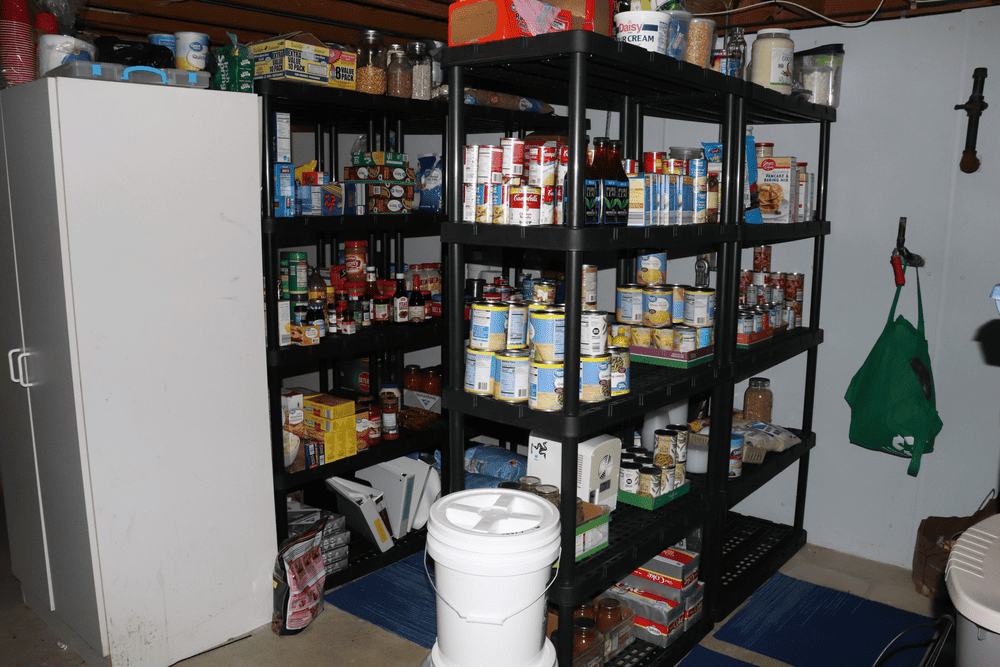
What is a deep pantry?
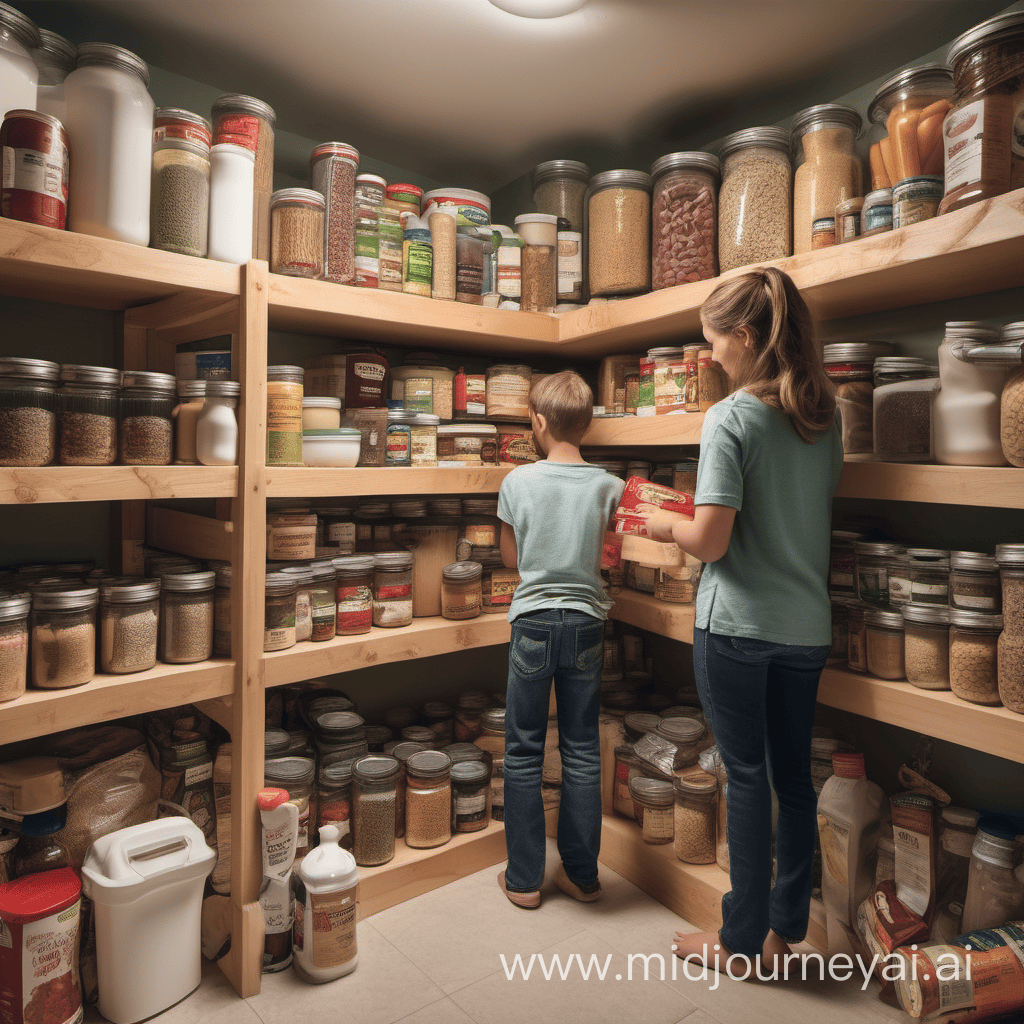
A deep pantry refers to a well-stocked and versatile storage of non-perishable food items that go beyond the typical provisions found in a regular kitchen pantry. It involves creating a reserve of long-lasting staples, canned goods, freeze-dried or dehydrated foods, and other essentials to sustain a household during emergencies, crises, or disruptions in the food supply chain.
The concept is to have a deep inventory that can provide sustenance for an extended period, offering both security and peace of mind in unpredictable situations where access to fresh or readily available food may be limited.
What specific benefits do survival meal kits provide?
Survival meal kits offer several benefits, primarily ensuring sustenance during emergencies by providing convenient, pre-packaged, and often long-lasting food options. These kits are designed for ease of storage, preparation, and consumption, making them practical for situations where traditional cooking methods may be challenging. The specific advantages include extended shelf life, compact packaging, and tailored nutrition, catering to the unique needs of individuals and families during crises.
Disclaimer: The views and opinions expressed in this post are my own and do not reflect the official policy or position of the US Marine Corps, the Department of Defense, the U.S. Government, or any associated corporate entity.