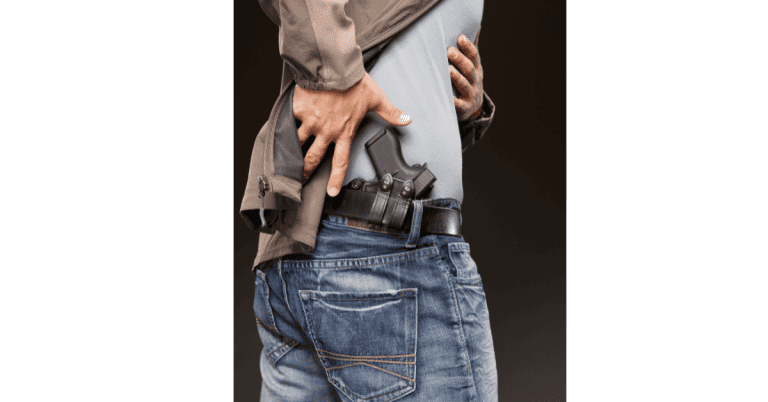
The Ideal Guide to Mastering Effective Concealed Carry Positions

Confused about how or where to carry your concealed handgun? Understanding ideal concealed carry positions can be challenging. Accessibility, comfort, and discretion factor heavily into this personal decision.
As always, It’s critical to know relevant concealed carry laws in your jurisdiction prior to carrying concealed to avoid legal issues. It’s also worth checking into CCW Insurance like that offered by USCCA or other companies for added protection.
This article will guide you through the different positions, including IWB and OWB, tailored to fit your body type, firearm size, and daily needs. Stay undetectable and ready with the right concealed carry position today.
Key Takeaways
- Understanding Concealed Carry Positions: Essential for comfort, accessibility, and discretion.
- Key Factors: Body shape, daily activities, clothing, and firearm size influence ideal carry position.
- IWB Positions: Appendix, 3 O’clock, and Kidney Carry offer versatility based on personal preference.
- OWB Positions: Strong-Side and Cross Draw provide options for different concealment needs.
- Regular Training: Crucial for proficiency in weapon handling and ensuring safety.
- Clothing Considerations: Plays a significant role in concealment effectiveness.
- Firearm Size: Impacts concealability and accessibility; balance is key.
- Holster Selection: Essential for comfort and quick access; consider cant, rake, and drop.
- Alternative Methods: Pocket, Ankle, and Shoulder Holster Carry cater to specific scenarios or preferences.
- Practice: Regularly train in your chosen carry method and with your carry garments for best results.
- Personalization: There’s no one-size-fits-all; experiment to find what works best for you.
Factors to Consider for Concealed Carry Positions
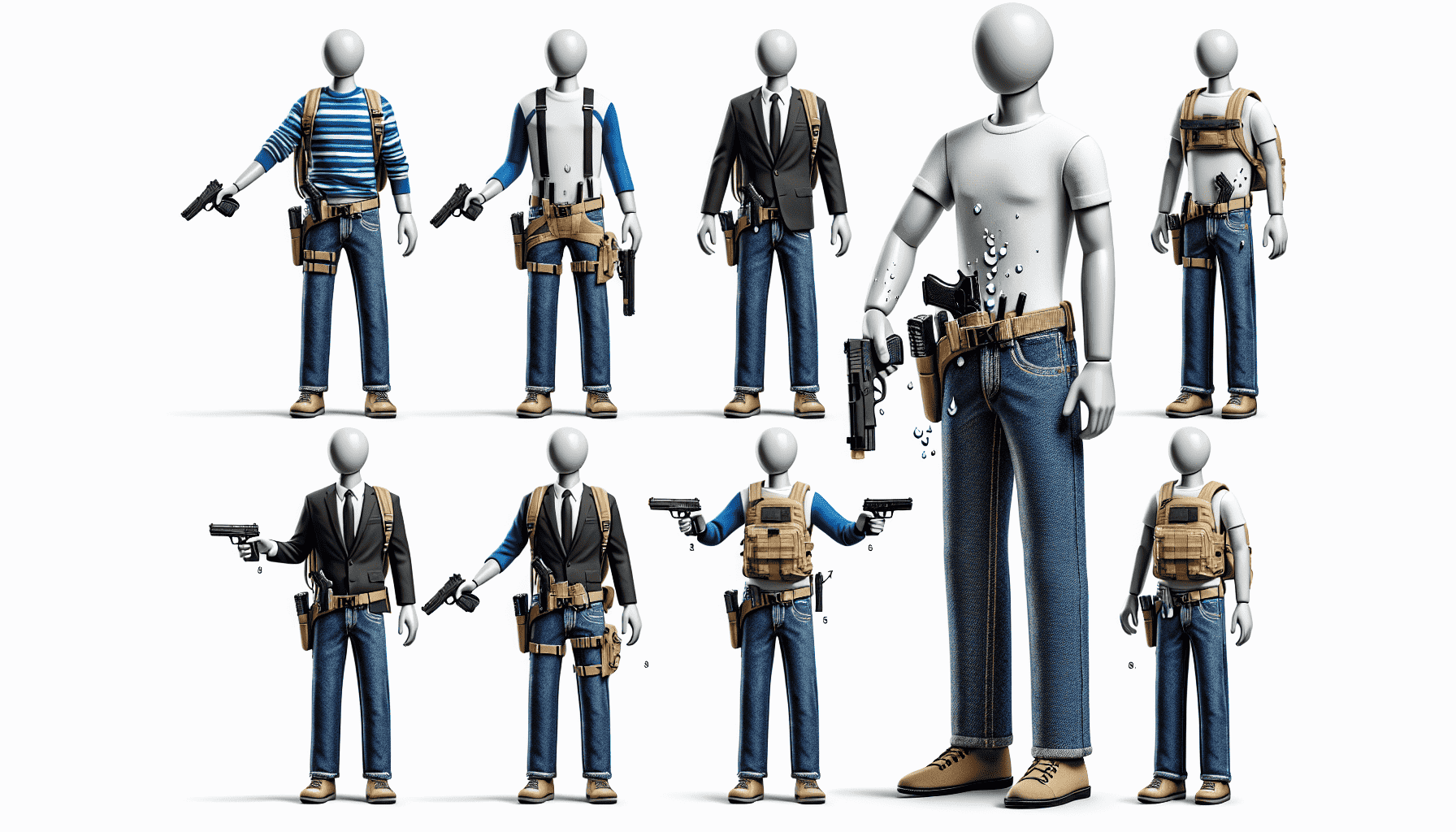
When selecting the perfect concealed carry position, there’s no one-size-fits-all solution. Your body shape, comfort, daily activities, clothing, and firearm size all play a significant role. Think of it as a puzzle where each piece must fit seamlessly to form the ideal conceal carry method.
At the heart of a comfortable concealed carry is perfecting the balance between comfort and accessibility. This balance can be achieved by:
Carrying your weapon in a low movement area away from joints
Using a secure holster to minimize discomfort from friction and skin shear
Considering the weight distribution of your firearm
Balancing weight across the belt or carrying closer to your body’s center to prevent imbalance-related discomfort or injury.
Body Type and Comfort
Everyone’s body is unique, and so is the comfort level of their concealed carry position. For optimum comfort during concealed carry, position the firearm in areas with ample range of motion and sufficient surface area for support, preferably away from joints. This approach helps prevent discomfort or pain from pressure points.
Balancing the weight of heavier full-size handguns across your belt can significantly enhance comfort. For instance, individuals with more body mass may find the kidney carry position more comfortable. While there are general trends, remember that comfort is subjective and varies by individual tolerance levels.
Clothing and Concealment
Besides defining your style, clothing significantly impacts your firearm’s concealment. Shirts with distractions like buttons, patterns, heavier materials, and looser fits can help disguise the outline of a concealed firearm. An undershirt can smooth out the gun’s profile against the body, adding an extra layer of concealment.
The choice between inside-the-waistband (IWB) and outside-the-waistband (OWB) holsters affects clothing options. OWB carry often necessitates cover garments such as jackets, while IWB allows for greater flexibility in dressing.
Special considerations are needed when adapting clothing to specific carry positions. For instance, small-of-back holsters require baggy shirts, while ankle holsters work best with bootcut pants.
Firearm Size and Accessibility
The size of your firearm significantly impacts its concealability and accessibility. Full-sized handguns offer greater accuracy and capacity, but their length and grip size make them more challenging to conceal.
On the other hand, smaller firearms such as compacts or subcompacts are easier to conceal and less likely to print under clothing.
However, the ability to quickly and safely access your firearm is more important than avoiding printing. When dressing for concealed carry, garments should be chosen to ensure easy access to the firearm, such as allowing it to be quickly swept aside or pulled up.
Carrying a full-size handgun for concealed carry is a personal choice that depends on one’s willingness to handle additional weight and commitment to concealment practices.
Inside-the-Waistband (IWB) Carry Positions
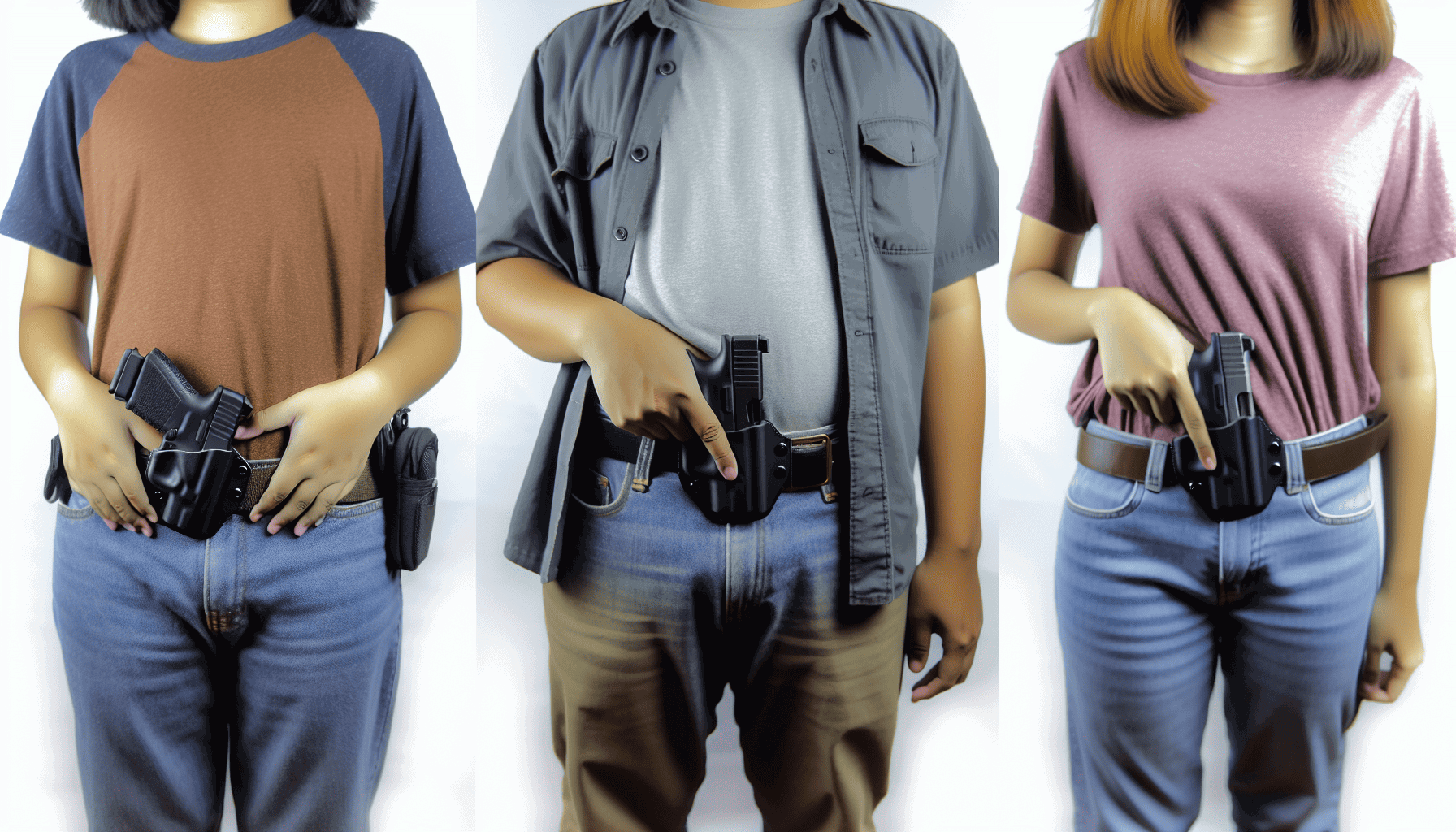
Inside-the-waistband (IWB) carry positions, positioned inside the pant waistband, are favored for concealed carry due to their ability to offer better concealment and versatility.
But with different positions such as Appendix Carry (AIWB), 3 O’clock Carry, and Kidney Carry, how do you know which one is right for you?
We will examine each position to assist you in making an informed decision.
Appendix Carry (AIWB)
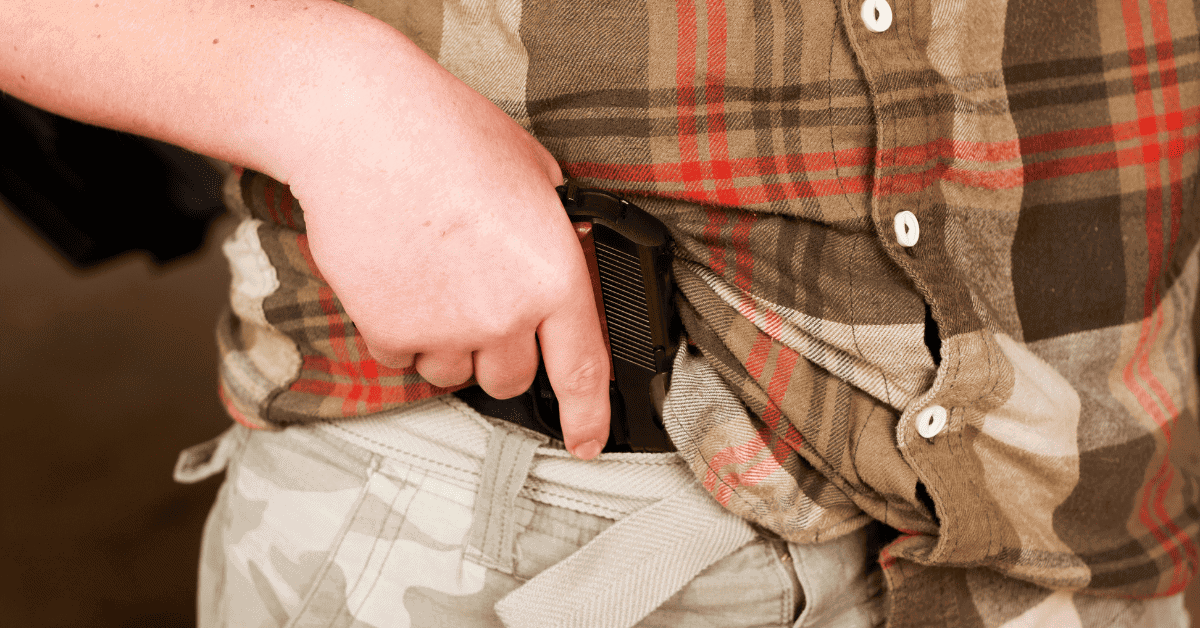
Many concealed carriers prefer the Appendix Carry (AIWB) method. Positioned in front of the hip bone, AIWB allows for faster draw access, ease of reholstering, and greater comfort compared to other carry positions.
In addition to quick access, carrying a handgun in the appendix position improves retention, reducing the risk of the firearm being grabbed by an assailant.
While AIWB has many advantages, it’s not without drawbacks. Some people have safety concerns about the risk of the muzzle pointing at sensitive anatomy during re-holstering. Others find AIWB uncomfortable while seated, especially for carriers with certain body types.
However, discomfort associated with AIWB while seated can be mitigated through careful selection of holsters and belts and by considering one’s body type and lifestyle.
My take: This is the position I use! I found that the pros outweigh the cons. Much more comfortable and ease of access while seated.
3 O’clock Carry
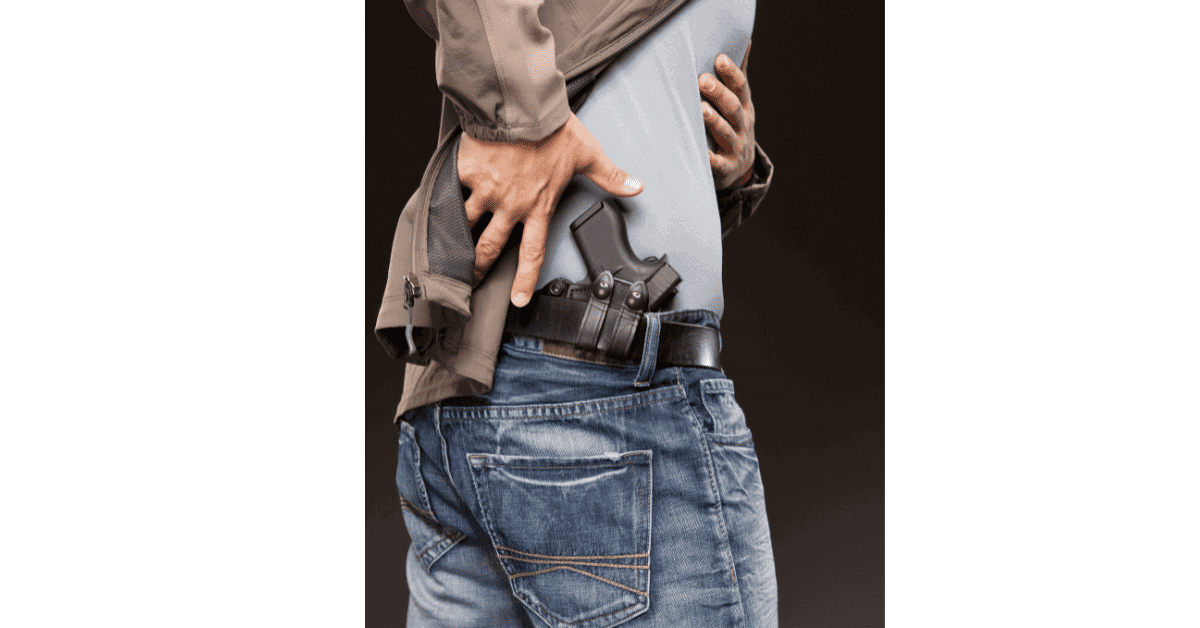
The 3 O’clock carry is also a commonly preferred carry position. Named for its position on the clock face, this carry method offers high concealability for a broad range of body types and allows for a natural draw motion.
Despite its popularity, the comfort of the 3 o’clock carry position may vary based on daily activities and user preference. A zero cant, where the firearm is drawn straight up, is generally recommended for holster placement in the 3 o’clock position to facilitate easier access.
However, some users may experience challenges with drawing and concealment, depending on their body type and clothing.
Kidney Carry (4-5 O’clock)

Another effective method is the Kidney Carry, located around the 4-5 o’clock area. It helps avoid potential injury to the kidneys, especially if you fall backward. This carry option provides deeper concealment, hiding the firearm more efficiently.
However, while kidney carry can enhance concealment, drawing from this position might be awkward for some individuals relative to hip carry. To reduce printing, especially with handguns that possess longer grips, a steep forward cant of the holster when using kidney carry can be beneficial.
Outside-the-Waistband (OWB) Carry Positions
Next, we will investigate the outside-the-waistband (OWB) carry positions, including the carry owb method. Although they require different clothing choices for effective concealment and comfort, they offer their own unique advantages and can be a good fit for some carriers.
Additionally, off body carry is another option to consider for those who prefer not to carry on their waistband.
Strong-Side Carry (3 O’clock)
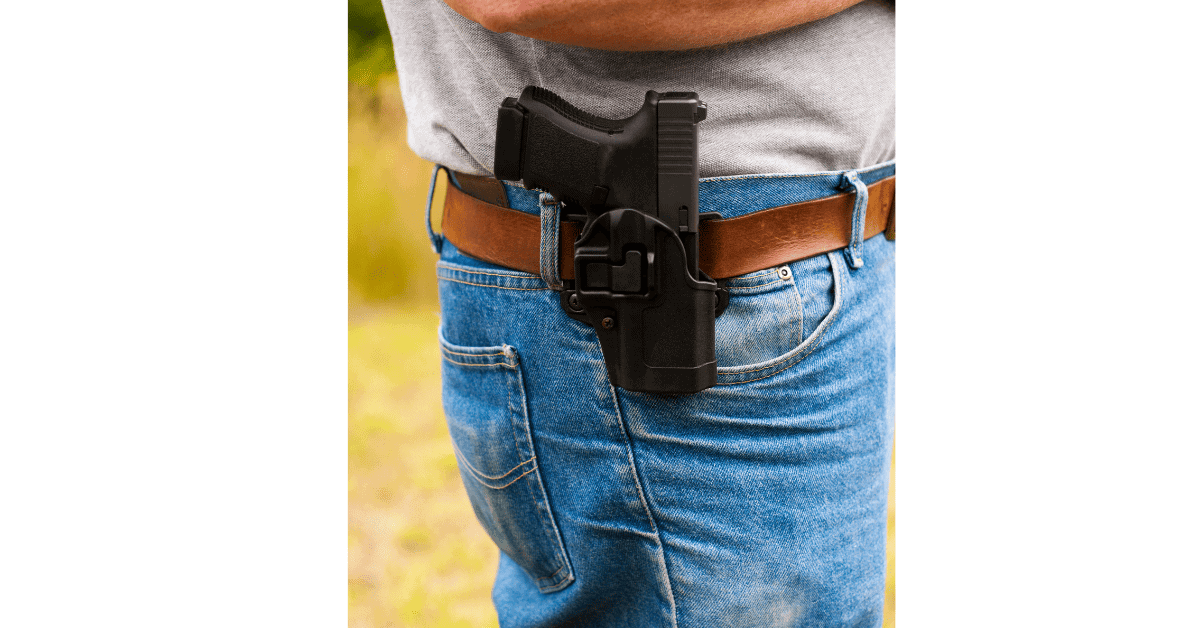
Offering high concealability for a broad range of body types, the Strong-Side Carry is positioned snugly on the hip between 3 and 4 o’clock. This position allows for a natural draw motion, making it a popular choice among many concealed carriers.
The comfort of the strong-side carry position, however, may vary based on daily activities and user preference. For effective use of this position, a zero cant is generally recommended to facilitate easier access to the firearm.
Cross Draw (10-11 O’clock)
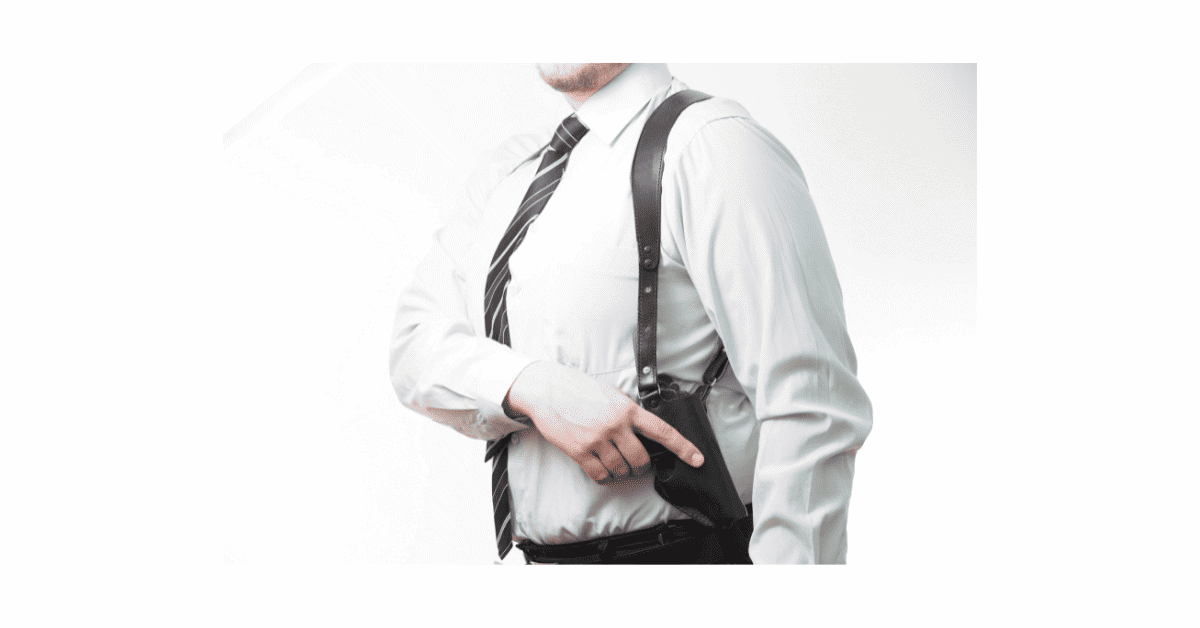
Located around the 10-11 o’clock area on the body, the Cross Draw carry offers a quicker, less conspicuous draw than reaching for the weapon from behind. Moreover, the firearm in a cross draw position is easier to defend against front assaults than with IWB carry positions.
However, cross draw carry has its challenges. Possible discomfort while sitting and issues with the firearm ‘printing’ when reaching forward are some of the concerns associated with this carry position.
Nevertheless, with the right gear and proper holstering technique, cross draw carry can be a viable option for some individuals.
Small-of-Back Carry (5-6 O’clock)
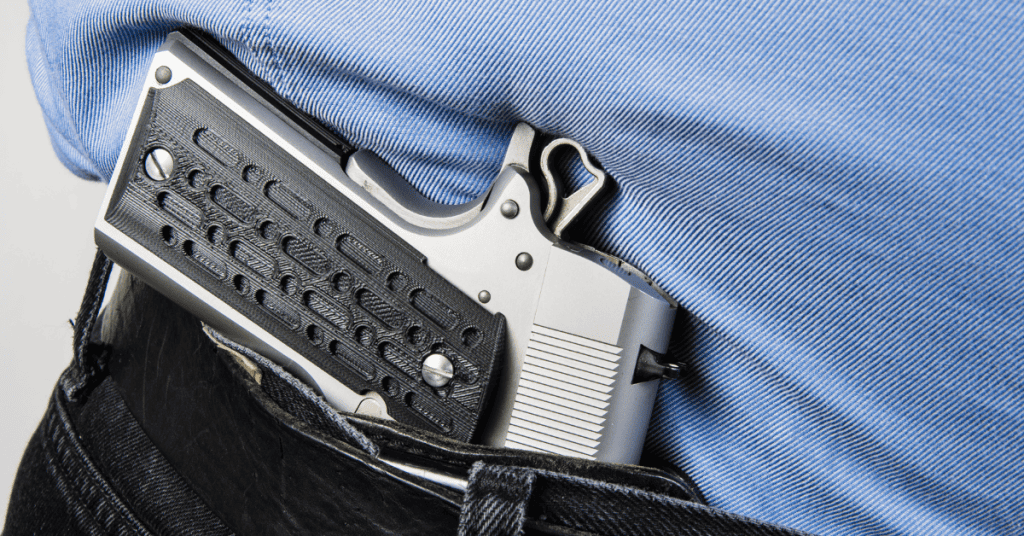
While less popular, the Small-of-Back Carry, positioned just above the tailbone at the lower back, is still worth considering. One of the significant drawbacks of this position is the heightened risk of serious back injury, especially during a fall.
However, the small-of-back carry position is not commonly ranked among the top three concealed carry methods, suggesting it may be less popular or less recommended by professionals.
Yet, for carriers who find this method comfortable and effective, it can still be a practical choice with the right precautions and regular training.
Alternative Concealed Carry Methods
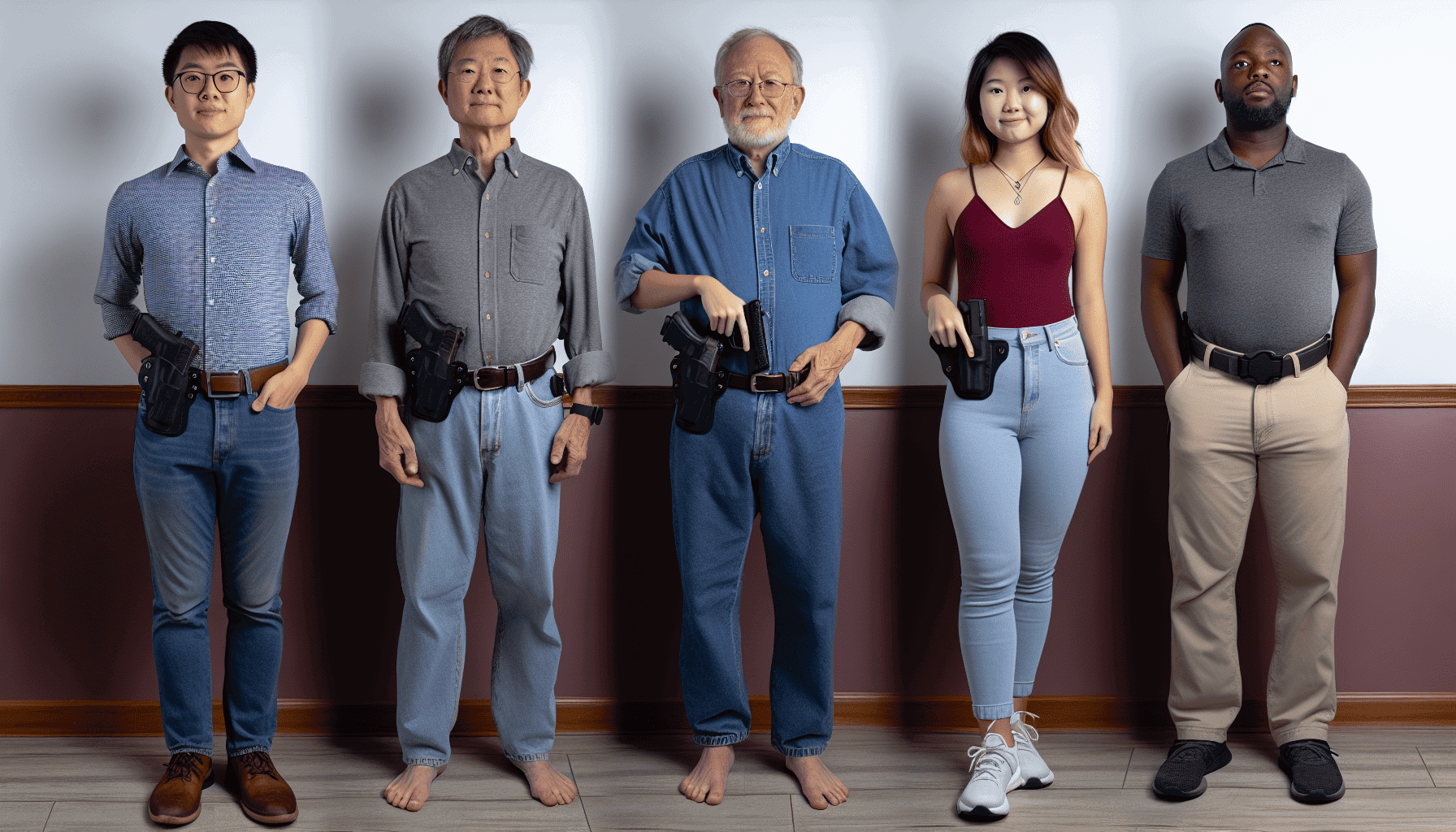
In addition to IWB and OWB carry positions, there are other concealed carry methods, such as off body carry options, suitable for specific scenarios or as backup options. Let’s explore these alternatives.
Pocket Carry
Pocket carry, supported by a variety of holsters designed explicitly for this method, simplifies the carrying of a firearm in various situations. However, one of the challenges of pocket carry is the complicated draw process, which requires practice to execute smoothly and ensure that only the gun is pulled out and not the holster.
Selecting a suitable holster for pocket carry is crucial to secure the firearm properly and to prevent the holster from coming out with the gun during a draw. With the right holster and enough practice, pocket carry can be an effective alternative carry method.
Ankle Carry
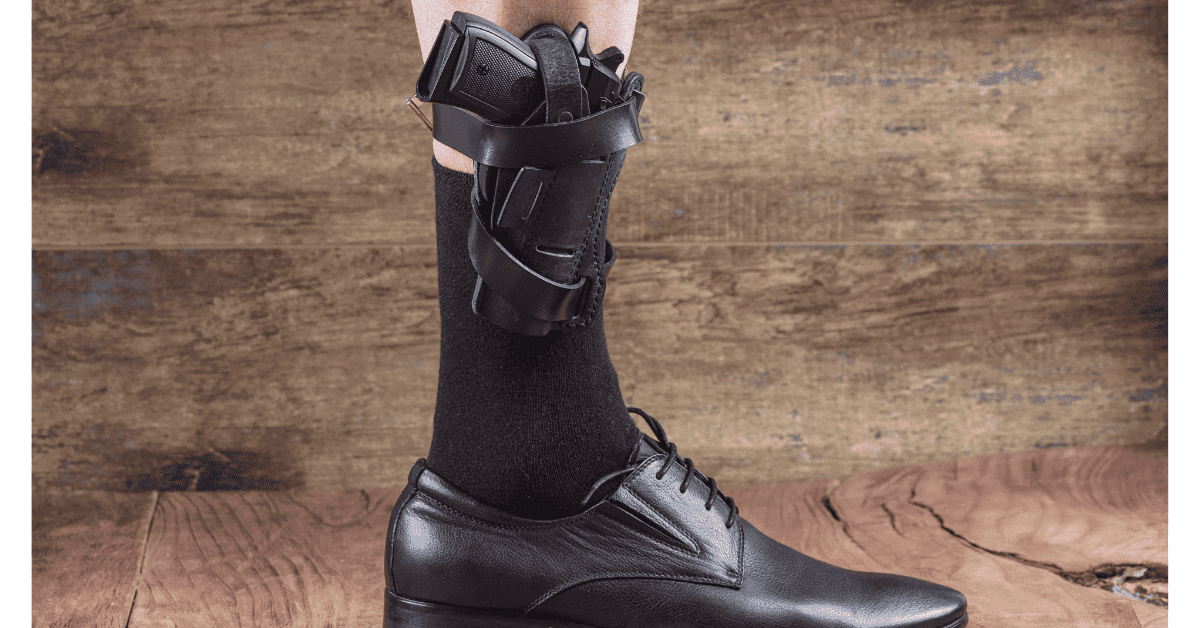
With ankle carry, the firearm is secured around the calf or ankle. Generally less likely to be compromised by someone trying to grab the gun, ankle carry offers easier access in certain situations, such as when approached from behind.
Selecting an ankle holster requires considering:
Material
Size
Retention system
Firearm compatibility
This is to ensure both security and comfort. It also requires regular practice to become efficient with this carry method. While not recommended as a primary carry method, ankle carry can be a useful backup option.
Shoulder Holster Carry
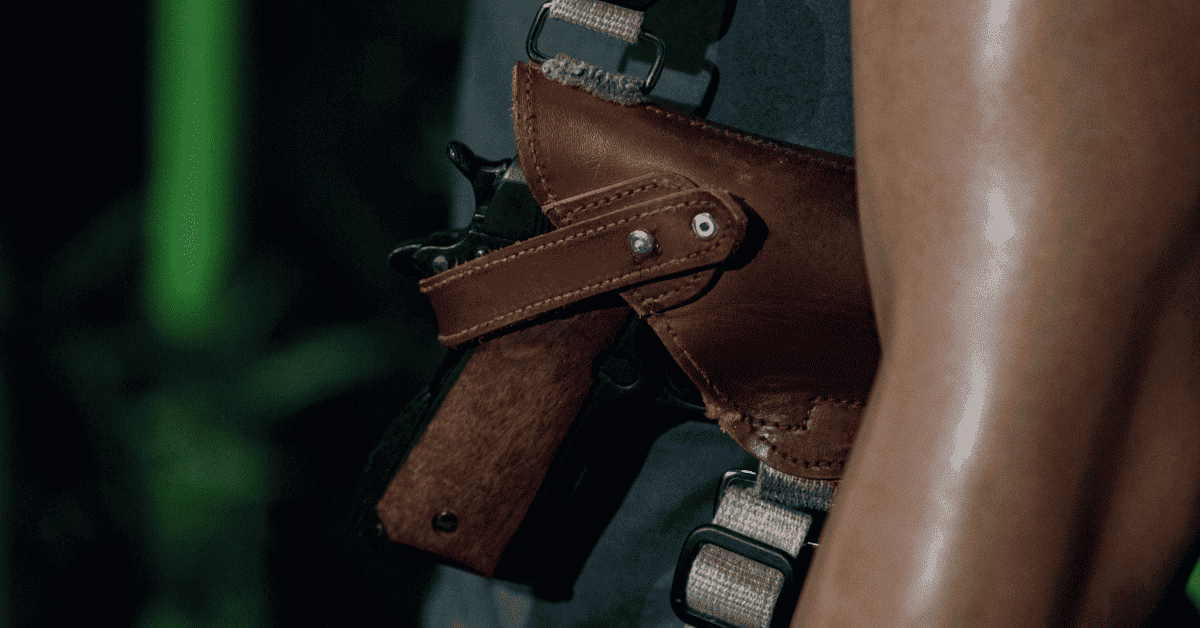
With Shoulder Holster Carry, the firearm is placed in a holster near the breast or under the arm. This method enables a very fast draw, but it also makes the draw very noticeable..
Safety during a draw from a shoulder holster can be ensured by following these steps:
Blade the holster side towards the target, avoiding the risk of the muzzle crossing behind the shooter or the wearer’s support arm.
Raise the gun arm and use the support hand for a two-hand grasp once the muzzle is clear.
Move quickly to a retention position or line of sight.
By following these steps, you can ensure a safe and efficient draw from a shoulder holster as a responsible gun owner.
Regular Training and Practice
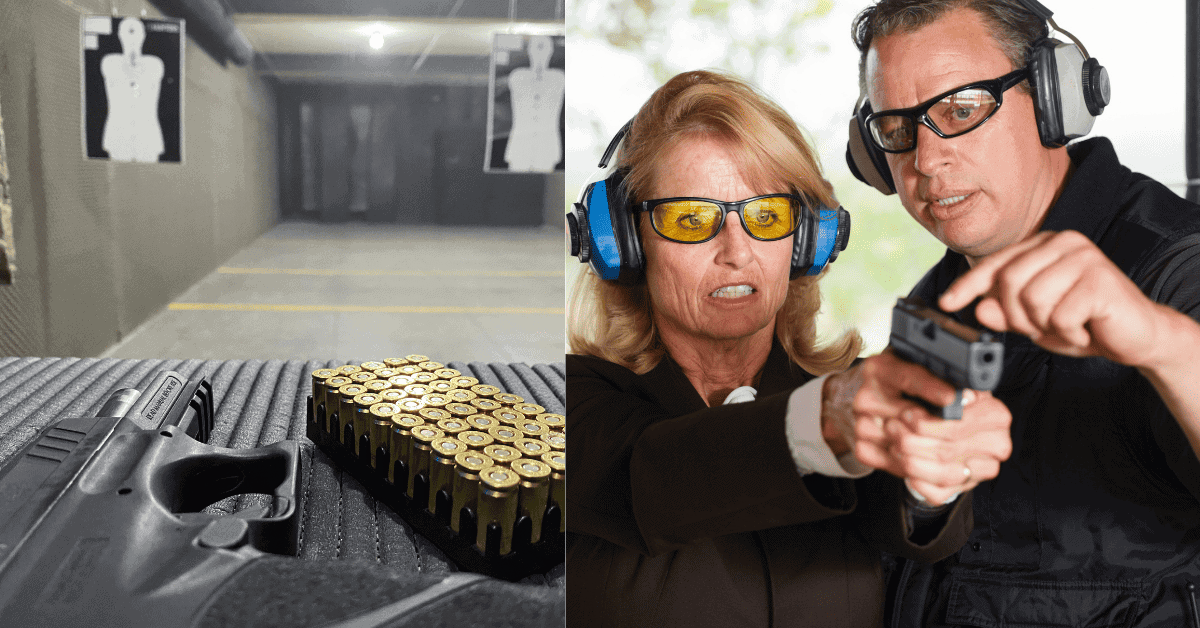
No matter the concealed carry position you opt for, consistent training and practice remain vital for proficiency. Training in the chosen concealed carry garments is essential to ensure clothing does not interfere with accessing the firearm in urgent situations.
Drawing from a seated position, particularly in a vehicle, can be challenging with strong-side carry, necessitating specialized training to improve draw speed. Practicing with an SOB holster is important to avoid the risk of the gun sweeping the body unsafely during draw and to reduce the chance of accidental discharge when re-holstering.
Remember, developing muscle memory through consistent training with the chosen holster is crucial for achieving a smooth and proficient draw under various conditions and movements.
Choosing the Right Holster and Clothing
The selection of appropriate holster and clothing is vital for ensuring comfort, range of motion, and effective concealment. Extended carrying of a full-sized handgun can lead to discomfort and may necessitate clothing adjustments or different carry methods to ensure continued comfort.
The cant, rake, and drop of the holster are critical for determining the carrying angle and height, which influences the ease of firearm accessibility and comfort. Personal fashion preferences do not have to be compromised when carrying concealed, as the goal is to find attire that conceals the weapon but also facilitates accessibility.
Summary
Mastering concealed carry positions is a journey that requires understanding your body, firearm, clothing, and most importantly, regular practice. Whether you opt for IWB, OWB, or alternative methods, the key is to find a balance between comfort, concealability, and accessibility.
Remember, a well-concealed firearm is of no use if you can’t draw it quickly and safely when needed. Your journey to mastering concealed carry positions starts today. Are you ready?
Frequently Asked Questions
What is the best position to conceal carry?
The best position to conceal carry is inside the waistband, as it allows for a good grip on the gun and is easier to conceal than outside the waistband options.
What is the best concealed carry position for driving?
The best concealed carry position for driving is the cross-body position. It is comfortable and allows for easy drawing while seated, making it a great option for long car rides.
What are carry positions?
Carry positions refer to the ways in which a gun can be carried for easy access. These positions include strong-side hip carry, small of back carry, and cross-draw carry.
What is the 3 o’clock carry position?
The 3 o’clock carry position is when a weapon is worn on the right side of the body against the right hip, which is analogous to the 3 o’clock position on a clock face.
What is the most comfortable concealed carry position?
The most comfortable concealed carry position varies depending on your body type, clothing, and firearm size. Some may find the Appendix Carry or 3 o’clock carry comfortable, while others may prefer the Kidney Carry. It’s essential to practice and make adjustments to find the best position for you.
Disclaimer: The views and opinions expressed in this post are my own and do not reflect the official policy or position of the US Marine Corps, the Department of Defense, the U.S. Government, or any associated corporate entity.